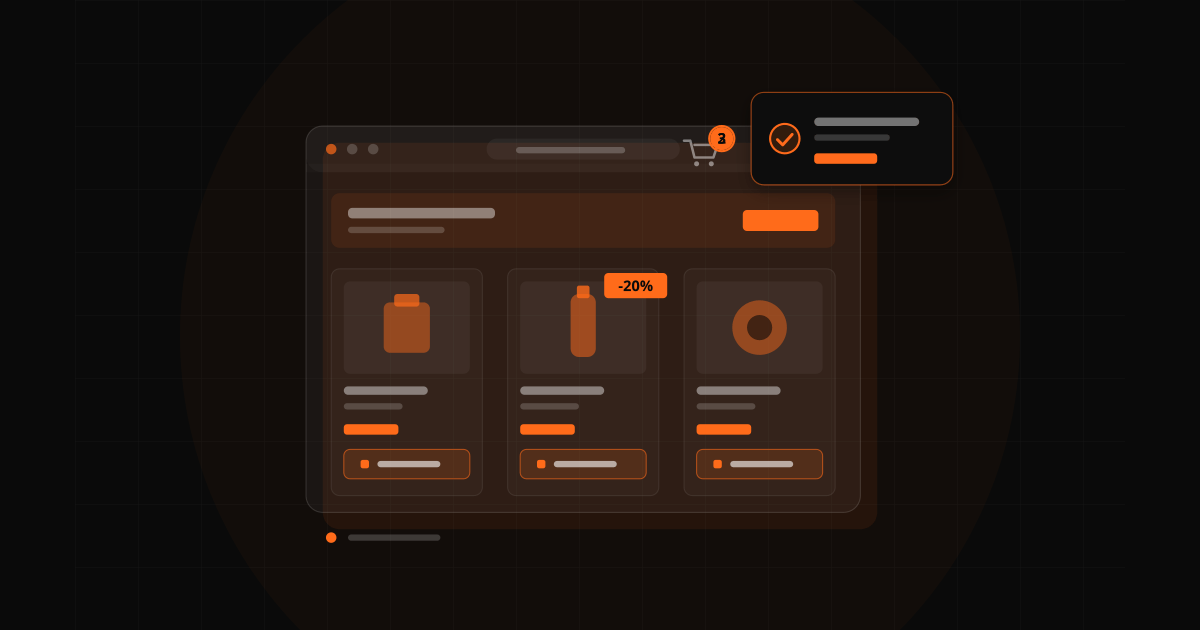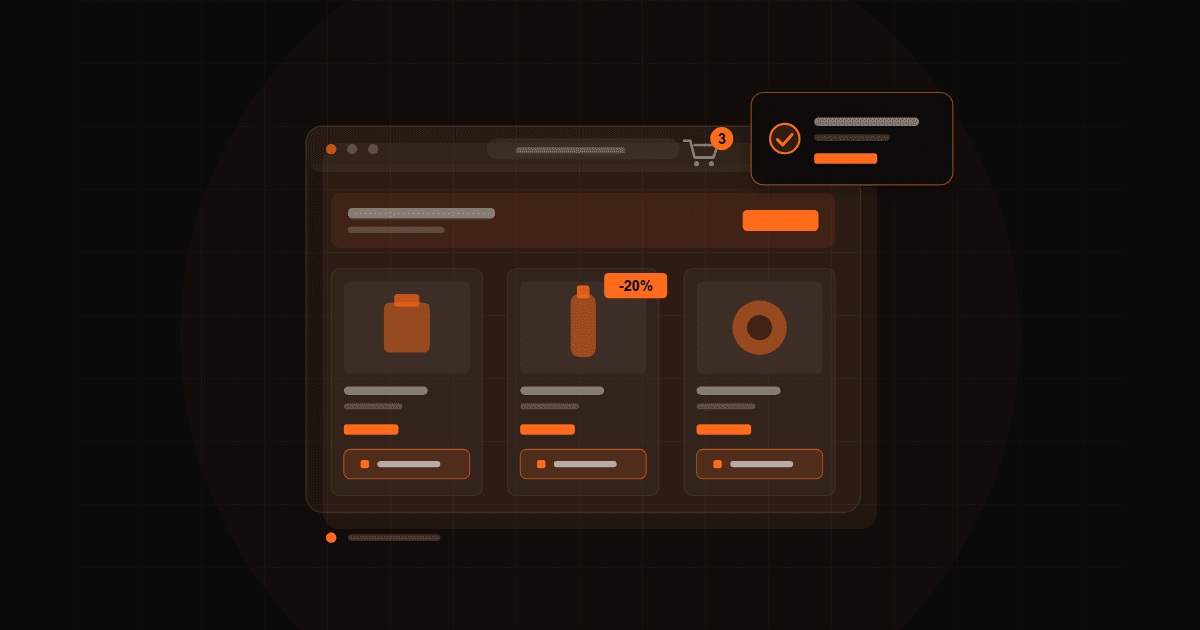
Selling online means a catalogue, a cart, payment, delivery and a customer account working together. Most shops start on a template, and that is often the right call. The trouble starts when the way you actually sell no longer fits it.
Signs a template no longer fits
- It cannot handle how you price, bundle or deliver: made-to-order items, trade prices for professionals, or several warehouses.
- Platform fees and paid plugins now cost more than they save.
- Orders, stock and invoices are reconciled by hand.
- The store is slow, and visitors leave before the page loads.
What a custom store has to get right
Three things carry the whole store: a catalogue customers can browse, a checkout that takes payment without losing them on the way, and an admin space where you manage what is for sale and what has been ordered. A custom build is worth it when the part that makes your way of selling different is exactly the part a template cannot do.
Four questions to answer before building
- What makes your way of selling different? That difference is the part worth building.
- How many products, and how often do they change? It decides how the catalogue is managed and imported.
- Which payment and delivery options do your customers expect? Each one is an integration with its own rules and fees.
- Where do your stock and accounting live today? The store has to agree with them, or someone reconciles by hand.
If you are not ready to sell online yet, a service website can come first and grow into a store later. Both are part of our Custom Websites work.