
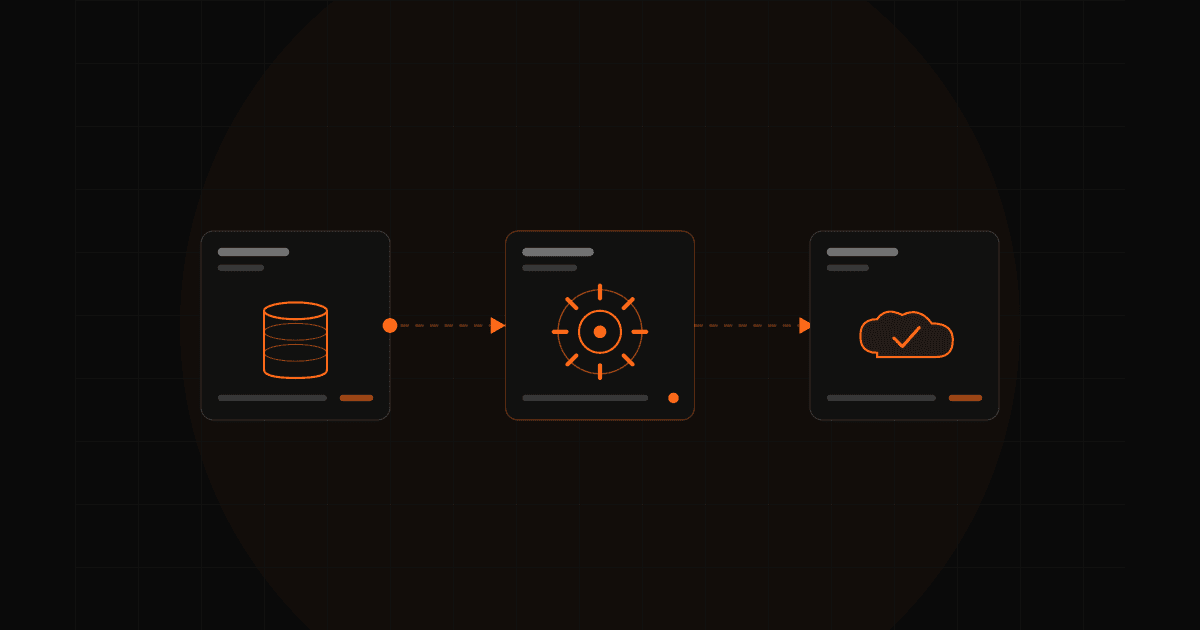
An order arrives by email and is typed into the invoicing tool. A client's details are copied from the contact form into the CRM, then into a spreadsheet for the weekly report. Each step takes a minute. Together they fill whole days every month, and every copy is a chance for a typo a client will notice.
Count it before you fix it
For one week, ask the team to note every time they move the same information from one place to another: what, from where, to where, and roughly how long it took. Most small teams are surprised by the list, and it shows exactly where to start: the task that is both frequent and error-prone.
What can be automated safely
Work that follows the same rule every time is the easiest to hand over:
- Sending an invoice when an order is confirmed
- Copying a new contact into the CRM and the mailing list
- Building the weekly report from the tools that already hold the numbers
- Sorting incoming requests and drafting a first reply
Where an AI agent helps, and where a person stays
Plain automation handles fixed rules. An AI agent can read a message, understand what it asks and act on it inside your tools. It should not decide alone when it is unsure. A good setup sends anything uncertain to a person, and logs every action so you can check what happened.
Start with one workflow
Pick the task from your list that costs the most time, automate it end to end, and compare the result with the week you counted. Then take the next one. Trying to automate everything at once is how these projects stall.
This is the work we do in AI Agents & Automation: connected to the tools you already use, with a person in the loop for anything that matters.